How Industrial Roof Coatings Cut Costs and Extend Lifes
Industrial and commercial roofs are exposed to demanding conditions throughout the year. Constant sunlight, rain, wind, temperature changes, moisture, debris, and mechanical activity can gradually weaken roofing materials. If these problems are ignored, minor deterioration can eventually result in expensive repairs or even premature roof replacement.
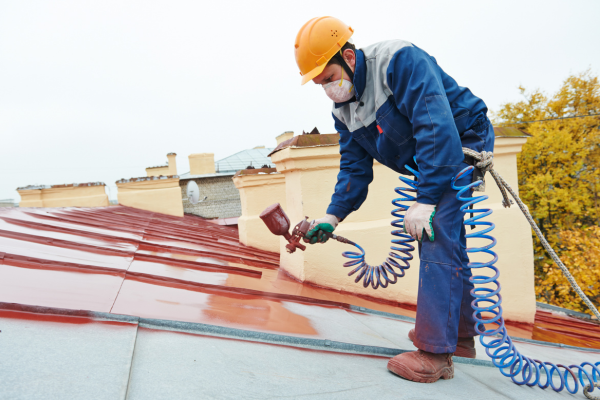
Industrial roof coatings provide a practical way to protect existing roofing systems while improving their service life. Rather than immediately replacing an aging roof, property owners can often use a professionally applied coating system to create a protective layer over the existing surface. This approach can reduce maintenance requirements, improve weather resistance, and potentially extend the useful life of a commercial roof.
What Are Industrial Roof Coatings?
Industrial roof coatings are protective materials applied over existing roofing surfaces. Depending on the roof type and project requirements, coatings may include acrylic, silicone, polyurethane, elastomeric, or other specialized formulations.
These coatings are designed to create a continuous protective surface. When correctly selected and installed, they can help reduce exposure to moisture, ultraviolet radiation, temperature fluctuations, and other environmental stresses.
The coating itself is only one part of a successful roofing project. Proper roof inspection, surface preparation, repairs, application thickness, and installation techniques are equally important.
Reducing Long-Term Roof Maintenance Costs
One of the biggest advantages of industrial roof coatings is their potential to reduce ongoing maintenance expenses.
Commercial roofs can develop cracks, small leaks, surface deterioration, and other problems as they age. Regular inspections can identify these issues early, but repeated repairs can become expensive over time.
A suitable coating system can provide an additional protective barrier over the existing roof. By helping protect vulnerable areas from moisture and weather exposure, coatings may reduce the frequency of certain maintenance problems.
This does not mean a coated roof never requires maintenance. Regular inspections remain important. However, preventing deterioration can be more cost-effective than repeatedly responding to damage after it develops.
Extending Commercial Roof Lifespan
Roof replacement represents a significant investment for many commercial property owners. It may involve material costs, labor, equipment, business disruption, and disposal of the old roofing system.
Industrial roof coatings can provide an alternative when the existing roof remains structurally sound but needs additional protection.
By creating a renewed protective surface, a coating can help the existing roof withstand environmental exposure. This may allow property owners to postpone full replacement and gain additional useful years from the existing roofing system.
The actual lifespan extension depends on the roof’s condition, coating type, installation quality, climate, and ongoing maintenance.
Protecting Against UV Exposure
Ultraviolet radiation can contribute to the deterioration of roofing materials over time. Continuous exposure to sunlight can cause certain surfaces to become brittle, fade, crack, or lose some of their protective properties.
Many roof coating systems are designed to provide resistance to UV exposure. Reflective coatings can also help reduce the amount of solar energy absorbed by the roof surface.
This protective function can be particularly valuable for large industrial buildings where extensive roof areas remain exposed to direct sunlight throughout the year.
Improving Resistance to Moisture
Water intrusion is one of the most serious concerns for commercial and industrial roofing systems. Small cracks, seams, penetrations, and damaged areas can provide pathways for moisture.
Once water enters a roofing assembly, it can contribute to insulation damage, interior leaks, corrosion, mold-related concerns, and deterioration of building components.
A properly installed coating can create a more continuous surface and help protect vulnerable areas. Some systems can also reinforce seams and transitions when appropriate preparation and detailing are used.
However, existing leaks and structural problems should be identified and repaired before coating begins.
Improving Energy Efficiency
Certain industrial roof coatings are designed to reflect a greater portion of solar radiation. This can reduce heat absorption at the roof surface.
During hot weather, a reflective roof may remain cooler than a dark, uncoated surface. Depending on the building, insulation, HVAC system, climate, and roof construction, this may contribute to reduced cooling demand.
Energy savings vary considerably from one property to another, so coating decisions should consider the complete building system rather than relying on generalized savings estimates.
Minimizing Business Disruption
A full commercial roof replacement can interfere with normal business operations. Depending on the facility, replacement work may involve noise, equipment, material storage, restricted access, and other disruptions.
Roof coating projects can sometimes be completed with less disruption because the existing roofing system remains in place.
This can be especially valuable for warehouses, manufacturing facilities, retail buildings, distribution centers, and other properties that need to remain operational.
The actual installation process depends on roof condition, building access, coating specifications, weather, and project size.
The Importance of Proper Roof Preparation
Industrial roof coatings cannot compensate for major structural problems or severely deteriorated roofing systems. Before applying a coating, professionals should inspect the roof carefully.
Preparation may include cleaning the surface, removing contaminants, repairing damaged areas, treating rust or corrosion where appropriate, reinforcing seams, and addressing existing leaks.
The surface must generally be suitable for adhesion. Poor preparation can result in coating failure, premature peeling, blistering, or other problems.
This is why choosing an experienced commercial roofing contractor is an important part of the project.
Choosing the Right Coating System
Not every roof coating is suitable for every commercial roof. The correct product depends on the existing roofing material, climate, expected exposure, roof slope, drainage, foot traffic, and project objectives.
A professional assessment can help determine whether an acrylic, silicone, polyurethane, elastomeric, or another coating system is appropriate.
Property owners should also consider warranty requirements, expected service life, maintenance recommendations, and application specifications before making a decision.
Regular Inspection Still Matters
Applying a roof coating does not eliminate the need for maintenance. Commercial property owners should continue scheduling regular inspections.
Inspections can identify damaged areas, blocked drains, punctures, mechanical damage, ponding water, or other issues that require attention.
Prompt maintenance can help preserve the coating system and prevent small problems from becoming larger and more expensive.
Keeping records of inspections and repairs can also help property owners plan future maintenance budgets.
A Cost-Effective Roofing Strategy
Industrial roof coatings can be particularly attractive when a commercial roof is aging but still fundamentally sound. Instead of moving directly toward complete replacement, property owners may have the option to restore and protect the existing system.
The financial benefit depends on the condition and size of the roof, preparation requirements, coating type, labor costs, expected service life, and future maintenance needs.
A professional evaluation can help determine whether coating is financially and technically appropriate.
Conclusion
Industrial roof coatings can provide commercial property owners with a practical strategy for protecting existing roofing systems. By helping resist moisture, UV exposure, weather-related deterioration, and temperature stress, a suitable coating may reduce maintenance demands and extend the useful life of a roof.
The greatest results come from proper inspection, thorough preparation, appropriate product selection, professional installation, and regular maintenance.
For businesses looking to manage long-term roofing costs without immediately replacing an otherwise serviceable roof, industrial roof coatings can be an effective option worth evaluating.